
Seed Processing Plant: How It Works, Benefits, and Machinery Used
How Seed Processing Plants Work
Seed quality lies at the foundation of strong yields, and reliable field performance. A modern seed processing plant turns raw, harvested seed into a clean, graded, and treated product ready for storage or sale. Seed moves through a controlled process that includes cleaning to reveal foreign material, grading to achieve uniform size and weight, and treatment to protect and enhance performance. Purpose-built seed processing machinery, such as cleaners, gravity tables, and bag-filling systems, keeps material flowing with precision. Explore our detailed guide to learn how seed processing plants operate and how automated systems help streamline these processes and keep operations running smoothly.
The Importance of Seed Processing
Seed processing plays a central role in modern agriculture by setting the baseline for crop performance and uniform growth. For example, seed cleaning and grading remove foreign material and separate seed by size and density, which helps planters run smoothly and fields emerge evenly. Clean, graded seed stores better, handles better, and performs more consistently across seasons. When seed enters the market in a consistent, controlled state, growers gain confidence and reduce risk at planting time. Strong seed processing practices support efficient production from the plant floor to the field, making them essential to reliable agriculture production.
What Is a Seed Processing Plant?
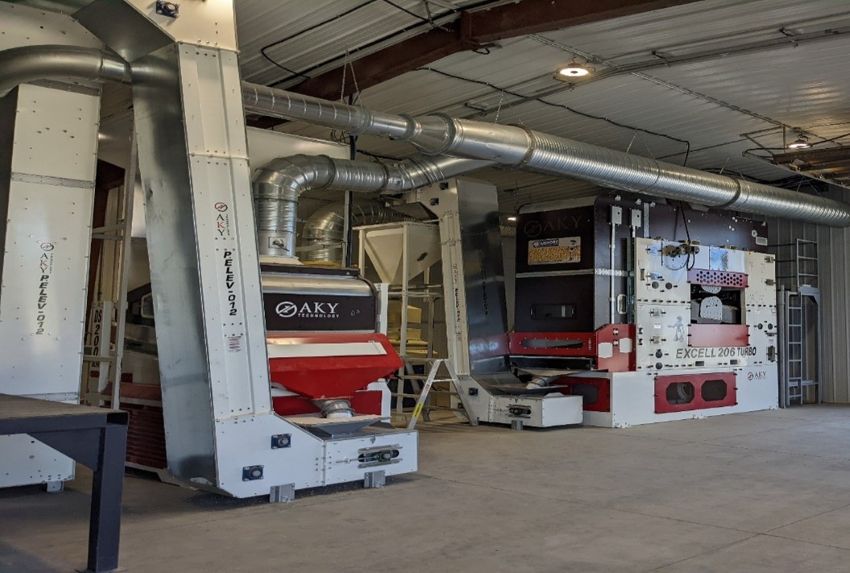
A seed processing plant moves harvested seed through a planned series of steps that build quality and uniformity. Product leaves storage and enters an air screen machine with aspiration, where scalping removes oversized material and sifting removes undersized material. Spirals then sort the seeds by shape, sending the round seeds to the good chute and the flat seeds to the reject chute. A destoner removes dense contaminants, followed by a gravity table that lifts heavier good seed toward the clean discharge. Color sorting serves as the final check, as cameras inspect each seed and remove any off-color material. The finished seed is ready for bagging, totes, or bulk loading.
Overview of Seed Cleaning, Grading, and Treatment Processes
The quality depends on a controlled process that prepares the raw product for consistent performance in the field. Our work with production facilities shows how each stage builds on the last to protect seed integrity and support efficient throughput. Cleaning, grading, and treatment operate as a connected system rather than isolated steps. Each phase relies on properly selected seed processing machinery that matches crop type, capacity, and layout. When these processes run in balance, plants gain predictable output, improved handling, and uniform results from intake through final packaging. Here is a closer look at the overview of seed cleaning, grading, and treatment:
- Seed Cleaning – Seed cleaning removes chaff, dust, broken seed, and other foreign material from harvested product. This step improves flow through downstream equipment and protects grading and treatment accuracy.
- Seed Grading – Grading separates seed by size and density to create uniform lots for planning or sale. Consistent grading supports planter performance and helps achieve even yields.
- Seed Treatment – Treatment systems apply precise coatings that protect seed during storage and handling. Accurate application depends on steady flow and controlled dosing throughout the process.
How a Seed Processing Plant Works
A seed processing plant follows a defined workflow that turns harvested seed into a uniform, finished product ready for storage or sale. Each phase prepares the seed for the next, with seed cleaning and grading forming the backbone of quality control. Equipment, layout, and automation choices show how efficiently the plan runs each day. When every step aligns, the process supports repeatable output, protects seed integrity, and maintains dependable production rates. The following is a look at how a seek processing plant works:
- Receiving and Pre-Cleaning – Seed enters the plant and moves through the intake system to manage volume and flow. Pre-cleaning equipment removes large debris to stabilize material before detailed processing.
- Seed Cleaning and Grading – Cleaning systems eliminate dust, chaff, and damaged material from the seed stream. Grading equipment separates seed by size and density to create uniform lots.
- Seed Treatment – Treated seed passes through controlled systems that apply measured coatings evenly. Accurate dosing supports storage life and handling performance.
- Packaging and Handling – Finished seed moves to bag filling, closing, and palletizing stations. Proper handling at the stage protects quality and supports efficient transportation.
Key Machinery Used in Seed Processing Plants
Reliable output in a seed processing plant depends on machinery that supports accuracy, flow control, and consistent handling. Each piece of seed processing equipment plays a defined role, from removing foreign material to preparing the finished product for shipment. Equipment selection affects seed quality, labor efficiency, and long-term operating costs. When systems are matched to crop type and capacity, plants gain steady throughput and predictable results across daily production cycles. Below is a list of the key machinery used in seed processing plants:
- Scalpers and Pre-cleaners
- Seed Cleaners
- Grading Equipment
- Conveying Systems
- Packaging and palletizing Systems
The Benefits of a Modern Seed Processing Plant
Modern seed processing plants bring structure and control to operations that depend on precision and repeatability. Our experience working alongside active production teams shows how updated systems support daily throughput and long-term planning. Automation, improved layouts, and well-matched machinery help plants manage high volumes without sacrificing seed quality. Consistent processing also supports better inventory control and smoother logistics. When equipment and workflow align, plants gain confidence in output, staffing efficiency, and product consistency across seasons and crop types. The following are the benefits of a modern seed processing plant:
- Improved Seed Quality – Modern processing systems deliver cleaner, more uniform seed lots ready for market. Consistent quality supports better planting results and strong customer confidence.
- High Production Efficiency – Automated equipment reduces manual handling and stabilizes material flow. Plants maintain steady output while supporting safer, more predictable operations.
- Reduced Product Loss – Accurate cleaning, grading, and handling protect seed integrity throughout the process. Less damage and spillage support better yield from every incoming lot.
- Scalability and Flexibility – Modern plans adapt to changing volumes and crop types with fewer disruptions. Flexible layouts allow future upgrades without reworking the entire system.
Why HS Automation for Seed Processing Solutions
HS Automation delivers automation solutions grounded in real-world plant-floor experience. As a family-owned company with more than a century of combined expertise in seed and grain processing, every project is shaped by an understanding of daily production realities. The team designs systems with a practical focus on long-term performance. Each layout is carefully planned to ensure efficient material flow, reliable operation, and the use of proven, durable equipment. From simple system enhancements to fully automated lines, every project receives the same hands-on engineering approach and attention to detail. Clients benefit from a long-term partner committed to building, supporting, and evolving seed processing systems that meet real production demands.
Build a Seed Processing Plant That Performs
The right seed processing plant supports consistent quality, easy to clean out, efficient throughput, and long-term growth. Our team brings hands-on engineering experience to every system, from layout planning to final installation. Each project reflects real production goals, available space, and future expansion plans. Proven equipment, clear workflows, and practical automation choices keep operations running smoothly day after day. If the goal is to upgrade a single process or build a complete system, the next step is a conversation. Reach out today to discuss production needs, capacity targets, and timelines. A well-designed seed processing plant begins with the right partner and a clear plan forward.
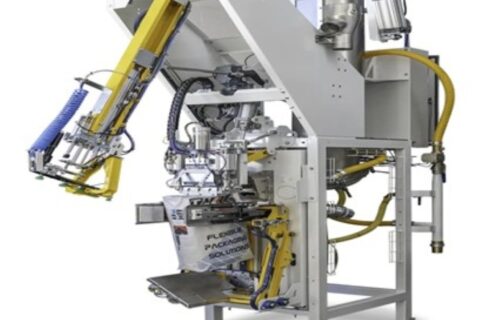
Learn How Valve Bag Automation Works
Valve bag automation brings speed, consistency, and control to bag packaging by combining precise filling with…
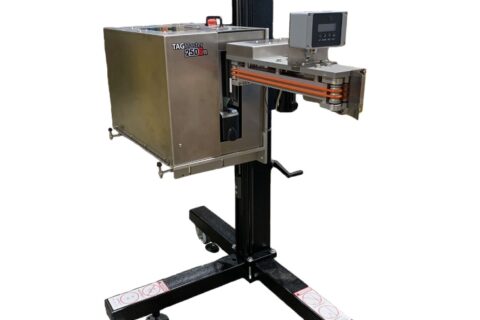
How to Choose the Right Automatic Tagger
Choosing the right automatic tagger starts with understanding how each system supports speed, accuracy, and…