
How Valve Bag Automation Works: A Complete Beginner’s Guide
Learn How Valve Bag Automation Works
Valve bag automation brings speed, consistency, and control to bag packaging by combining precise filling with automated bag handling. Product flows from a hopper into a valve bag filler, where an external spout fills each bag to a set weight through the valve opening. Once the bag is filled on the spout, it’s then discharged on the conveyor belt below.
HS Automation delivers valve bag automation solutions using proven valve bag filling machine designs sized for real production rates. Our systems match bag type, material flow, and palletizing speed so the line runs smoothly from start to finish. Keep reading to learn more about how valve bag automation works.
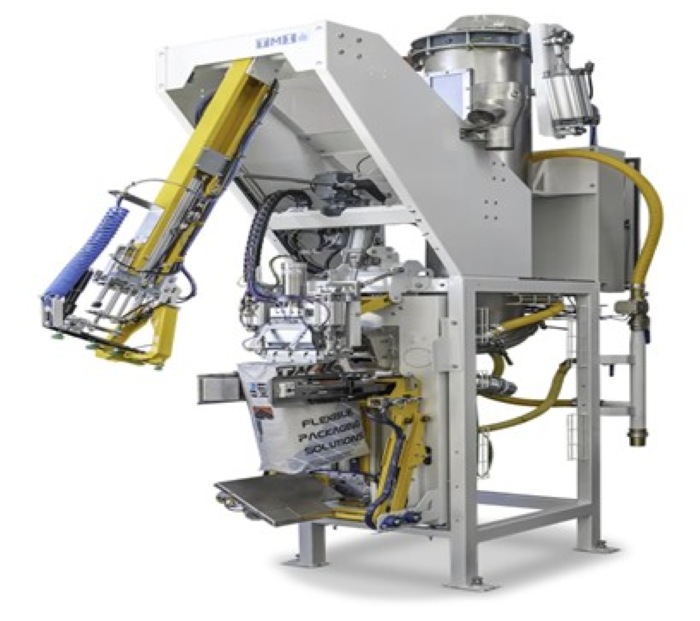
What Is Valve Bag Automation?
Valve bag packing handles dry bulk materials by filling pre-made bags through a small valve opening, compact packages ready for stacking. A valve bag filling machine uses a fixed spout to deliver products. Valve bag automation builds on this process by adding control bag placement, automated filling cycles, and consistent discharge to downstream handling. Systems may include automatic bag presenters, robotic valve bag placers, and integrated controls that maintain weight accuracy and steady output. Automation reduces manual handling, improves repeatability, and supports higher rates without disrupting flow. Proper design aligns filler speed, bag type, and palletizing so each step supports reliable, continuous production.
The Step-by-Step Valve Bag Automation Process
These systems follow a clear sequence that turns bulk products into stable, pallet-ready bags with consistent weights. An automated valve bagging system coordinates material flow, bag handling, and discharge so each step supports the next. Equipment selection and layout all influence how efficiently the process runs. Understanding each step helps operators and plant managers see how automation improves consistency, reduces manual handling, and supports higher production rates. Below is a look at the step-by-step valve bag automation process:
- Bag Presentation – The process begins with empty valve bags delivered to the filling position by a magazine or robotic valve bag placer. Then the system orients each bag correctly for secure engagement with the filling spout.
- Spout Engagement – Proper engagement ensures clean filling and controlled air release during product flow. The spout comes with a bag-in-place switch. If a bag is not present, the machine will not start filling.
- Product Filling – Filling starts as material flows into the bag at a programmed rate. The system monitors weight to meet target fill requirements.
- Bag Release and Discharge – This happens once the fill cycle completes and the bag drops from the spout. Filled bags move smoothly to conveyors or palletizing equipment.
- Palletizing Integration – Filled bags are then organized onto the conveyor below, and they are organized bottom first, ready for palletizing. Automation maintains consistent spacing and orientation for stable pallets.
Benefits of Ultrasonic Sealing vs Standard Valve Bags
Ultrasonic sealing creates a tighter, cleaner closure than a standard valve bag, giving plants stronger control over product quality and presentation. Many food and powder operations choose this method because the sealed bag limits sifting and protects the material during storage and shipping. Standard valve bags remain popular in construction markets because they fill fast and work well with dense, abrasive products. Both options support heavy daily use, yet ultrasonic sealing offers added precision where cleanliness and product integrity matter most. Below is a look at the benefits of ultrasonic sealing vs standard valve bags:
- Cleaner Product Handling – A sealed ultrasonic valve prevents stray material from escaping after filling. This helps maintain clean equipment and supports controlled handling throughout transport.
- Improved Food Safety – A closed seal protects the product from outside contact. Facilities gain stronger quality assurance for flour, food powders, and other materials that require strict hygiene.
- Better Bag Integrity – Ultrasonic sealing creates a firm closure that stays intact under pressure. Bags resist sifting during stacking and movement, which preserves pallet stability.
- Space‑Efficient Equipment Design – Ultrasonic baggers take up less floor space than many alternative systems. Plants gain high‑value performance without expanding their footprint.
- Enhanced Product Presentation – A clean seal improves the appearance of each bag. Customers receive packaging that reflects consistent quality and attention to detail.
Industries That Use Valve Bag Automation
This type of automation supports industries that package dry bulk materials and require consistent, high-speed filling. These operations ensure accurate weights and stable pallets ready for storage or shipping. Valve bag systems fit well where dust control, presentation, and throughput matter on every shift. Materials handled often vary in density and flow, which makes controlled filling essential. Automation helps these industries maintain steady output while reducing manual handling. The flexibility of valve bag systems allows them to adapt to different products, bag sizes, and production volumes without disrupting plant flow.
Start Your Valve Bag Automation Project
Valve bag automation brings structure, speed, and consistency to bulk packaging operations that demand dependable results. The right system supports clean filling, steady throughput, and smooth palletizing while fitting the way your plant actually runs. Our team works directly with your production goals, material characteristics, and layout constraints to build systems that perform day after day. From single valve bag fillers to fully automated lines with robotic bag placement and palletizing, every solution focuses on practical output and reliability. Share your product details and target rates, and let’s design a valve bag automation system that supports your operation now and as production grows.
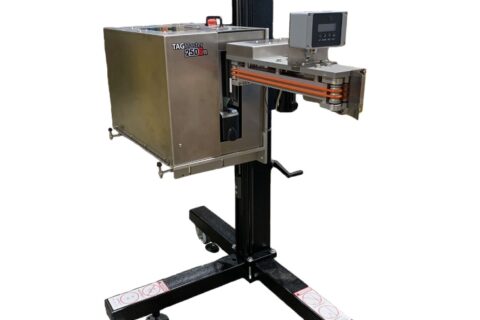
How to Choose the Right Automatic Tagger
Choosing the right automatic tagger starts with understanding how each system supports speed, accuracy, and…
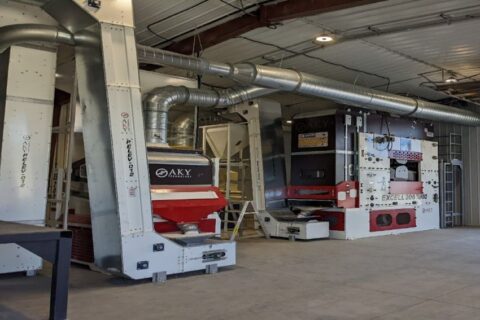
How Seed Processing Plants Work
Seed quality lies at the foundation of strong yields, and reliable field performance. A modern seed processing plant…