
Grain & Seed Processing in North America
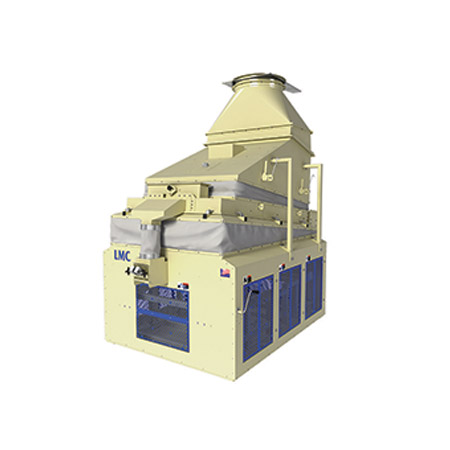
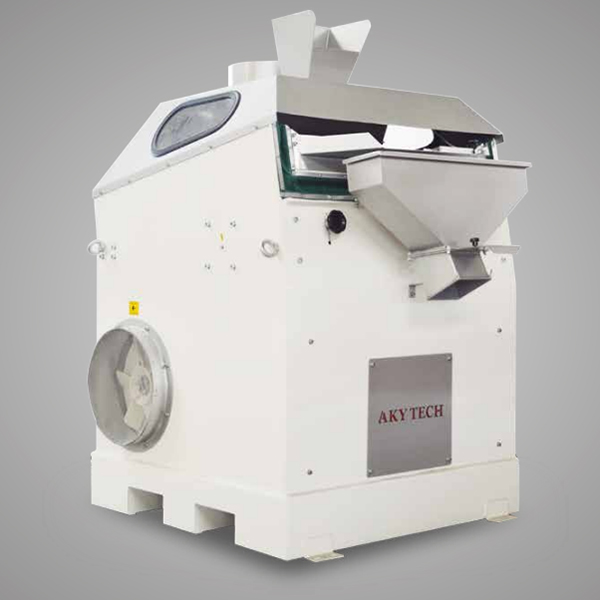
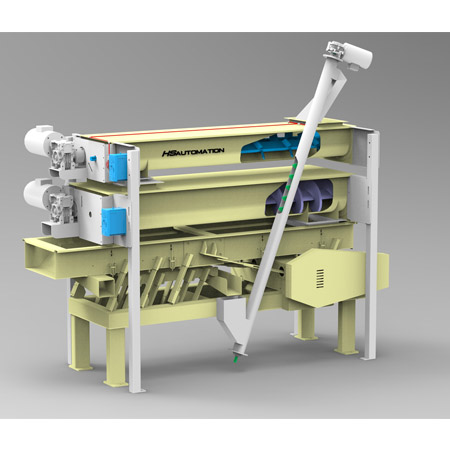
Grain and Seed Processing Equipment Built for Production
Getting seed from harvest to market in plantable condition is a precise, multi-step process. Harvested seed carries inert material, weed seed, off-size grain, damaged kernels, and contaminants that affect flowability, plantability, storability, and germination rates. Processing removes those contaminants, grades seed to spec, and prepares it for treatment, packaging, and shipment.
HS Automation designs and builds grain and seed processing equipment for operations that need systems matched to their specific crop, facility, and throughput requirements. We do not build processing equipment — we source it from vendors around the world and supply complete processing lines tailored to your operation.
What Is Grain and Seed Processing?
Seed processing covers all the steps involved in preparing harvested seed for sale and planting. In practical terms, this means:
- Pre-conditioning — removing large trash, appendages, awns, and hulls before main cleaning
- Cleaning — air-screen separation to remove inert material, oversized and undersized seed
- Grading — size, length, shape, weight, and surface-texture separations to meet planting specs
- Gravity separation — removing deteriorated, damaged, cracked, or low-quality seed from the lot
- Treatment — applying fungicide or insecticide coatings before bagging
- Bagging and storage — packaging finished seed and holding for shipment
The goal throughout is fourfold: complete contaminant removal, minimum good-seed loss, consistent quality upgrading, and maximum throughput with minimum labour. Every machine in a processing line serves one or more of those objectives.
The Seed Processing Line: Steps in Sequence
Effective seed processing is not a single-machine operation. It is a sequence of steps, each handled by equipment matched to the separation required. A well-designed processing line runs these stages in order:
- Receiving — Seed arrive in bulk and enter the receiving station. From there they go to bulk storage or directly into the processing line.
- Pre-cleaning and Conditioning — Large trash, like sticks, awns, and hulls are removed before the seed enters the main cleaning equipment.
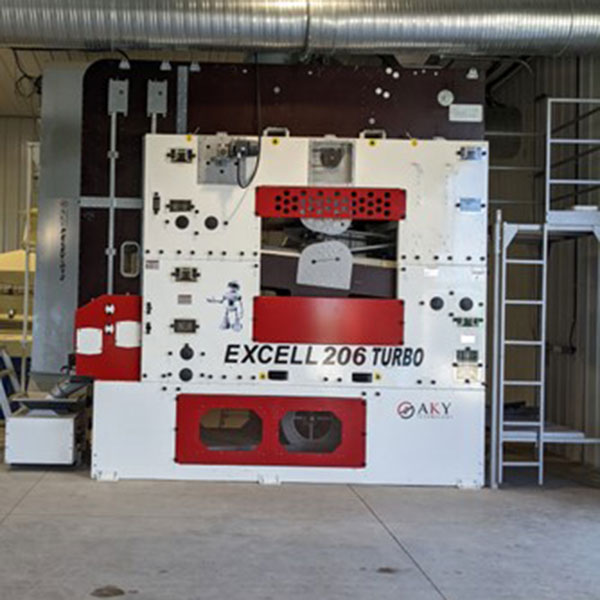
- Basic Cleaning — The air-screen machine performs size separations and aspirates light material. This is the foundation of every processing line.
- Gravity Separation — Specialized machines remove specific contaminants that the air-screen machine cannot differentiate — separating by length, shape, weight, surface texture, colour, or conductivity.
- Treatment — Fungicide or insecticide is applied to the cleaned seed lot before bagging, where required.
- Bagging and Storage — Finished seed is weighed, bagged, and held in storage or shipped directly to buyers.
A processing line should never be static. The combination and sequence of machines needs to be flexible enough to handle different seed kinds and different lots within the same crop. That flexibility has to be built into the layout from the start.
How Seed Processing Equipment Separates Contaminants
All seed processing equipment works on the same principle: separation is based on physical differences between good seed and contaminants. The machines available can separate seed that differ in the following characteristics:
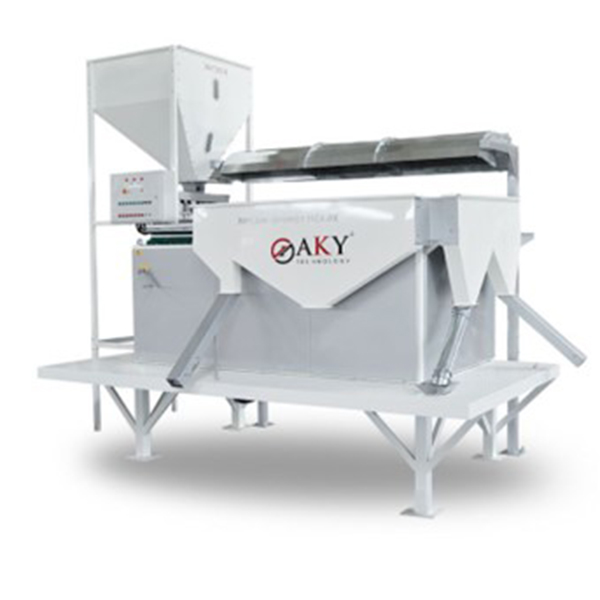
- Size: The most common basis for separation. Air-screen machines use perforated screen series to separate seed by width and thickness, with air blasts removing light material. Scalping screens let crop seed drop through while oversized material rides over; grading screens retain good seed while undersized material drops through. Multiple screen passes allow increasingly precise size grading.
- Length: Indented cylinder and disc separators make length separations. The indented cylinder uses thousands of precisely-sized indents inside a rotating drum to lift short seed out of the seed mass while long seed remain. Disc separators use undercut pockets on rotating cast-iron wheels to lift short seed, with different pocket shapes available for round, flat, and rectangular seed. Multiple disc sizes on a single shaft can produce several length grades in one pass.
- Shape: The spiral separator is designed specifically for separating round from flat seed. Round seed accelerate as they roll down the spiralled flights and cross over into an outer discharge flight. Flat or irregular seed slide rather than roll, discharge from the inner flight.
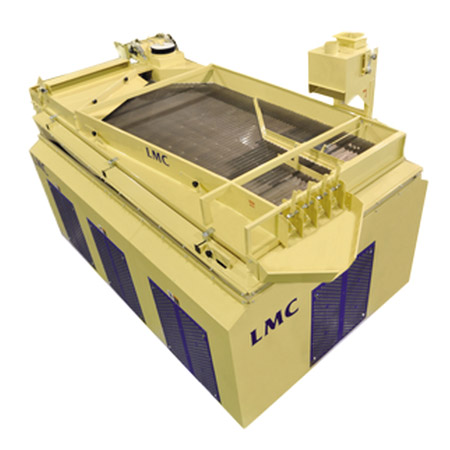
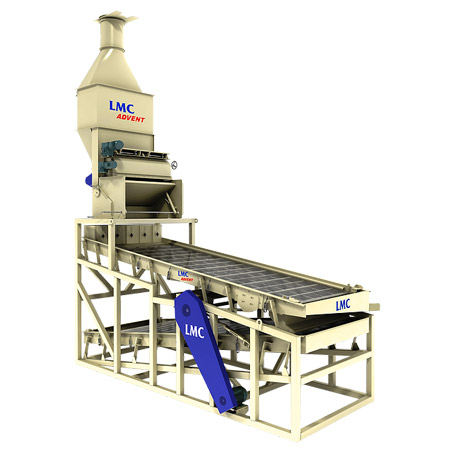
- Weight and Specific Gravity: Gravity separators, stoners, aspirators, and pneumatic separators separate seed by density. The gravity separator deck uses an air stream to stratify seed by weight, with reciprocating motion driving heavy seed uphill and light seed downhill to separate discharge spouts. The stoner does the same action as the gravity table but opposite. Aspirators and pneumatic separators use positive air pressure to separate seed by terminal velocity — this allows the good heavy product to drop through while the light product is lifted away to the trash.
- Colour: Colour sorters sort by colour. The seed is run over a series of channels to create a waterfall effect, allowing cameras to inspect each individual seed. If the colour is out of tolerance, a blast of compressed air removes the product to the reject chute. This process happens very quickly to maintain throughput in high-production facilities.
Grain and Seed Processing Equipment from HS Automation
HS Automation supplies seed and grain processing equipment built for continuous production use. Our specialty conveyors for seeds, soybeans, and grains are engineered for gentle handling — minimizing mechanical damage to seed coats and kernels throughout the line.
We source processing equipment from leading manufacturers around the world and supply complete processing lines. Key equipment we supply includes:
| Specialty Grain and Seed Conveyors | Designed for gentle handling of soybeans, seeds, and grains — minimizing damage during transport between processing stages |
| Bag Handling Conveyors | Pickup conveyors, product pitch conditioning, bag kickers, flippers, turners, and automated bag squaring for finished seed bags |
| Pallet Handling Conveyors | CDRL and chain conveyors for moving filled pallet loads of bagged seed in and out of packing and storage areas |
| Complete Bagging Lines | Full conveyor systems from the bagging station through to palletizing, built to match your bag format and throughput |
| Robotic Palletizing Integration | Conveyor systems designed to integrate directly with robotic palletizing cells for automated end-of-line handling |
Why a Properly Designed Processing Line Matters
Individual machines do not make a processing operation — the sequence, layout, and matching of capacity across the line does. A processing line where one machine is undersized for the rest creates a bottleneck that limits the entire plant. A line where machines are arranged in the wrong sequence means contaminants that should have been removed earlier interfere with downstream separations.
When HS Automation builds a seed processing line, we consider:
- Crop type and seed characteristics — different crops require different machine combinations
- Contaminant types and quantities — weed seed, other crop seed, inert material, and damaged seed each require different separation approaches
- Throughput matching — every machine in the line needs to be sized to the same capacity so no single unit creates a bottleneck
- Surge and holding bin placement — adequate bin capacity between stages prevents stoppages
- Elevator and conveyor layout — the spatial arrangement within the plant determines how efficiently seed moves between stages
- Flexibility — the line needs to be reconfigurable to handle different seed kinds and lot variations efficiently
Who Uses Grain and Seed Processing Equipment
Seed processing equipment is used wherever harvested seed needs to be cleaned, graded, and prepared to a marketable standard. HS Automation serves:
- Commercial seed producers and seed companies
- Grain handling and storage operations
- Agricultural cooperatives and farm supply organizations
- Soybean and pulse crop processors
- Research institutions and plant breeding programs
- Custom seed processing contractors
Get a Grain or Seed Processing System Built for Your Operation
Tell us your crop, your throughput targets, your facility layout, and what you are currently working with. HS Automation will spec a system that fits — from a single specialty conveyor to a complete seed processing line. We handle design, fabrication, and installation with one point of contact throughout.
Contact us today to start the conversation.
We specialize in the conveyor and material handling components of seed processing lines, including specialty grain and seed conveyors engineered for gentle handling, complete bagging and palletizing lines, and robotic palletizing integration. For a complete processing line requiring air-screen machines, gravity separators, and other separation equipment, we work with our network of equipment partners and integrate the full system around our handling and conveyor solutions.
Contact Us
Phone
519-245-2310