
How Palletizing Robots Help Save Labor Shortage Problems in Manufacturing
Discover How Palletizing Robots Can Save Labor Shortages
Labor shortages in manufacturing continue to reshape how production lines are staffed and scheduled. Open roles take longer to fill, and end-of-line work often carries the greatest strain. Palletizing robots provide stability at that critical point by handling repetitive stacking tasks at a steady speed and with repeatable accuracy. Four-axis robots paired with conveyor systems keep product moving through packaging, material handling, and warehousing operations without disruption. This consistency supports daily output, smoother shift changes, and predictable shipping schedules. Palletizing robots also help plants adjust to volume swings without adding pressure to already limited labor pools. As manufacturers plan for long-term staffing realities, robotic palletizing systems play a key role in maintaining throughput, improving safety, and keeping skilled workers focused on higher-value tasks across the facility.
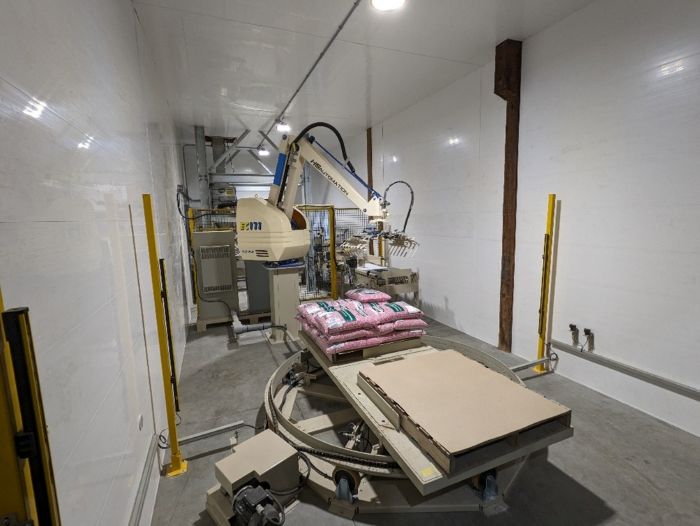
Why Labor Shortages are Impacting Manufacturing Operations
Shortages affect daily production, staffing plans, and capital priorities. Plants compete for fewer applicants, while experienced workers retire and hiring cycles stretch longer. Training new operators takes time, and gaps appear faster in end-of-line roles that require a steady pace and accuracy. Supervisors shift attention from improvement projects to coverage. Material flow slows when crews rotate often. Robotic palletizing systems help stabilize output by taking on repetitive stacking and allowing teams to focus on changeovers, maintenance, and quality checks that raise overall performance. The bullet list below further explains the impacts of labor shortages in manufacturing operations:
- Throughput Variability – Production rates fluctuate when key positions go unfilled or rotate frequently. Lines run more consistently when repetitive tasks are automated and supported by clear handoffs.
- Quality Drift – Inconsistent staffing can lead to irregular stacking patterns and packaging alignment issues. Stable, programmable routines keep patterns precise and shipments uniform.
- Safety Exposure – Manual palletizing increases repetitive motion and life frequency for operators during long shifts. Task automation reduces strain and keeps teams focused on oversight and safe material flow.
- Scheduling Complexity – Supervisors spend extra time backfilling shifts and rearranging crews to cover end-of-line tasks. Reliable cells simplify scheduling and free time for process improvements.
- Training Load – New hires require extended coaching to meet rate and pattern targets. Standardized cells capture best software practices, so skills transfer faster and with fewer resets.
- Lead-Time Pressure – Order backlogs grow when end-of-line capacity lags upstream processes. Consistent stacking speed shortens cycle times and supports predictable ship dates.
What are Palletizing Robots?
Palletizing robots are automated machines designed to stack bags, cases, and cartons onto pallets in a consistent pattern. These systems typically use industrial robotic arms, often four-axis, paired with conveyors and end-of-arm tooling matched to the product. Palletizing robots follow programmed patterns that control placement, orientation, and layer formation. Operators set parameters such as pallet size, product weight, and stacking height. Palletizing robots support packaging, warehousing, and shipping operations by maintaining a steady end-of-life flow and predictable outcomes.
An Overview of Robotic Palletizing Systems
Robotic palletizing systems support consistent end-of-line operations by combining industrial robots, conveyors, controls, and safety equipment into one coordinated cell. These systems manage stacking patterns, product orientation, and pallet changeovers with repeatable accuracy. Manufacturers use them to stabilize output when staffing varies and production volumes shift. In manufacturing automation, robotic palletizing systems help maintain daily throughput while reducing reliance on hard-to-staff roles. The result supports predictable shipping, safer work areas, and smoother coordination between packaging and warehouse teams. Here is a closer look at the overview of robotic palletizing systems:
- Core Components – A robotic palletizing system includes a robot arm, end-of-arm tooling, infeed conveyors, and guarding. Each component works together to move the product from the line to a finished pallet without interruption.
- Pattern Control – Software defines layer patterns, pallet size, and stacking height. Operators can adjust recipes to match product changes or customer requirements.
- Operational Consistency – Robotic cells run at a steady pace across shifts and production days. This consistency supports scheduling, inventory planning, and shipping coordination.
- Integration Capability – These systems integrate with existing packaging and material handling equipment. Proper integration keeps product flow balanced from filling through loadout.
Why HS Automation Is a Trusted Robotic Palletizing Partner
HS Automation earns trust by delivering systems that work on real plant floors, day after day. Our family-run team brings more than 100 combined years of hands-on experience. Projects focus on layout efficiency, reliable equipment, and clear operator interaction rather than unnecessary complexity. Bag automation and robotic palletizing form the core of our work, so each system reflects proven practices and practical expectations. From simple to dual cells to fully integrated lines, we build solutions matched to production rates, space limitations, and long-term labor plans, supporting dependable performance and lasting partnerships.
Invest in Stable Output Today
Production demands keep moving, and end-of-line performance plays a direct role in meeting them. Palletizing robots bring structure, repeatability, and confidence to packaging and shipping operations where staffing pressure often concentrates. HS Automation designs systems that fit real plant layouts, match required rates, and support long-term labor strategies. Each solution reflects hands-on experience with bag filling, closing, and robotic palletizing on active production floors. A conversation starts with goals, space, and product flow, and moves toward a clear path. Reach out to discuss how palletizing robots can support stable output and dependable growth.
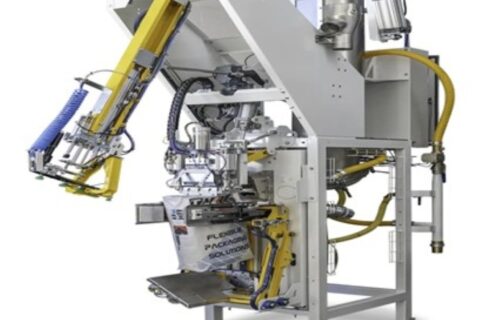
Learn How Valve Bag Automation Works
Valve bag automation brings speed, consistency, and control to bag packaging by combining precise filling with…
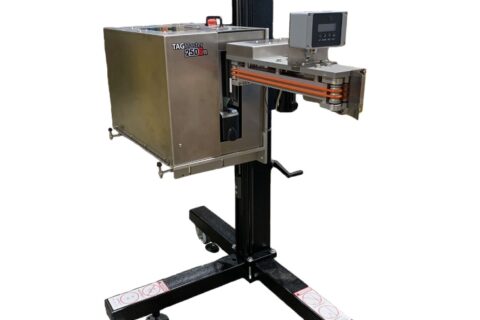
How to Choose the Right Automatic Tagger
Choosing the right automatic tagger starts with understanding how each system supports speed, accuracy, and…