
Industrial Dust Collection Systems
Learn About Industrial Dust Collection Systems
Dust control plays a daily role in plant safety, product quality, and steady throughput. In grain and seed facilities, dust builds up quickly around conveyors, bag-filling lines, and transfer points. A well-built dust extraction setup supports uptime and helps crews stay focused on production instead of cleanup. Modern technology allows these systems to capture even the smallest bits of waste with incredible efficiency. Investing in reliable equipment ensures that operations remain steady and productive throughout the year. Every business deserves a space that reflects its commitment to excellence and care for the team.
What Are Industrial Dust Collection Systems?
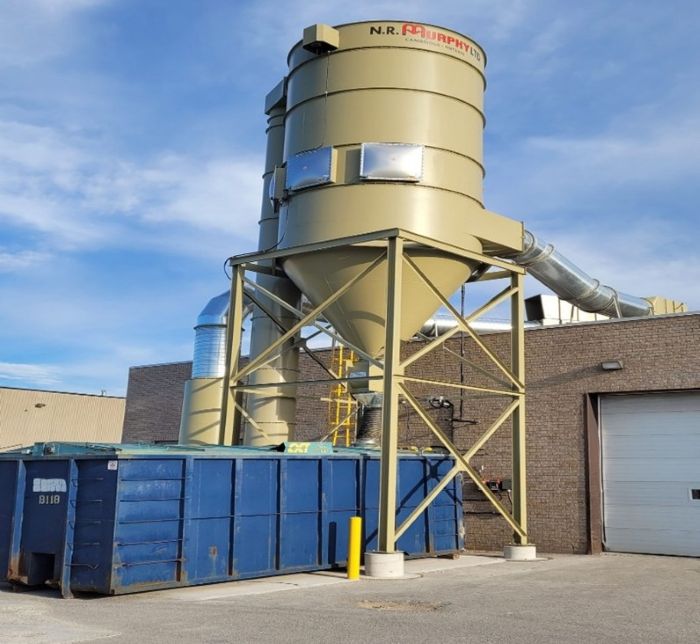
Dust collection systems control airborne particles generated during manufacturing and material handling. These systems use hoods, ductwork, and dust collectors to capture dust at its source and move it through filtration equipment. Clean air is returned to the workspace or safely exhausted, depending on the application. In grain, seed, and bulk material operations, dust collection supports orderly production around conveyors, baggers, and transfer points. Proper system design balances air flow, capture velocity, and filter selection. The result supports equipment reliability, cleaner work areas, and consistent plant operations.
An Overview of Industrial Dust Collectors
Bag houses and cyclones play a major role in keeping industrial spaces clear of airborne dust. Cyclones use high-speed airflow to separate heavier particles, providing facilities with a simple, low-maintenance system with consistent performance. These units handle large volumes of material and work well as the first stage of collection, allowing lighter dust to pass through. Bag houses use fabric filters to capture fine particles with high accuracy. Their filtration efficiency helps maintain clean air and protects sensitive equipment. Using both systems together provides dependable dust control for productive, safe operations.
The Key Components of Dust Extraction Systems
Every effective dust collection setup relies on coordinated parts that manage airflow, capture material, and maintain filtration under daily production loads. Proper integration keeps airflow balanced across the system while supporting dependable capture at the source. Understanding how these components work together helps plant operators maintain clean work areas, protect equipment, and support steady production. The following core elements form the backbone of most industrial dust collection installations:
- Capture Hoods – Capture hoods collect dust at their point of release, such as baggers or transfer chutes. Proper hood design focuses airflow on the dust source without interfering with production.
- Ductwork – Ductwork transports dust-laden air from capture points to the collector. Correct sizing maintains steady airflow and prevents material buildup inside the system.
- Dust Collectors – Dust collectors separate particles from the restream using filters or cyclonic action. Selection depends on dust type, volume, and required filtration level.
- Fans and Blowers – Fans generate the airflow that moves dust through the system. Proper fan selection supports consistent capture across all connected points.
- Discharge and Collection Systems – Discharge components handle collected material after filtration. These systems allow safe removal of dust without disrupting ongoing operations.
Common Applications of Industrial Dust Collectors
Industrial dust collectors support clean, efficient operation across a wide variety of manufacturing environments. These systems help maintain organized work areas, protect equipment, and support consistent production flow. The following applications represent some of the most common uses in industrial settings:
- Grain and Seed Processing – Dust collectors capture airborne material generated during conveying, clearing, and transfer operations. Proper control supports steady throughput and cleaner production zones.
- Bag Filling and Closing Lines – Bag filling stations generate fine dust as product flows into bags. Industrial collectors maintain clear visibility and support reliable sealing.
- Bulk Material Handling – Transfer points and discharge chutes release dust during material movement. Collection systems manage particles at these high-impact areas.
- Flour Mills – Milling and sifting produce fine, combustible dust that spreads quickly through processing areas. Collection systems help maintain air quality, protect sensitive equipment, and support consistent product quality throughout the facility.
The Benefits of Industrial Dust Collection Systems
These dust collection systems support efficient, organized manufacturing by managing airborne particles at the point where they form. Dust extraction systems improve daily plant performance by keeping production areas cleaner and parts operating as intended. These systems integrate directly with processing, conveying, and packaging equipment, which helps maintain steady workflows throughout each shift. Proper dust control supports predictable maintenance schedules and dependable operation across the facility. The list below provides an overview of the benefits of industrial dust collection systems:
- Safer Working Conditions – Dust extraction systems reduce airborne particles around active workstations. Clearer air supports comfortable conditions for operators and maintenance personnel.
- Reliable Equipment Performance – Dust control limits buildup on motors, sensors, and electrical components. Protected equipment maintains consistent operation over extended service life.
- Improved Product Efficiency – Clear transfer points and bagging stations support steady material flow. Consistent airflow helps prevent slowdowns during high-volume runs.
- Simplified Maintenance – Collected dust stays contained within the system. Organized material handling allows maintenance teams to work efficiently and plan service with confidence.
Improve Your Facilities Airflow and Uptime
Clean air supports steady production, safe crews, and dependable equipment performance. Industrial dust collection systems deliver the control needed to keep grain and seed facilities running. HS Automation designs, systems that match your layout, product, and throughput goals. Our team works directly with plan personnel to plan capture points, airflow, and service access that make sense on the floor. Reach out to talk with our engineers and put a practical dust collection solution in place that supports long-term performance and daily reliability.
Learn How Valve Bag Automation Works
Valve bag automation brings speed, consistency, and control to bag packaging by combining precise filling with…
How to Choose the Right Automatic Tagger
Choosing the right automatic tagger starts with understanding how each system supports speed, accuracy, and…